In today’s evolving workspace, sustainable office furniture is gaining traction. As we venture into 2026, companies must adapt to new environmental expectations. The shift towards sustainable materials and practices is more than a trend; it reflects corporate responsibility. Industry expert Sarah Jensen highlights this evolution, stating, “Sustainable choices in office design not only benefit the planet but also enhance employee well-being.”
What are the latest trends in sustainable office furniture for 2026? This question carries implications for businesses aiming to attract eco-conscious clients. Designers now prioritize renewable resources over traditional materials. Recycled plastics, bamboo, and reclaimed wood are becoming standard. Ergonomic design also embraces sustainability, promoting health alongside environmental benefits.
As organizations explore these trends, they face challenges. Balancing aesthetic appeal with sustainability requires careful thought. Additionally, navigating supply chains and ensuring quality can be daunting. The future of sustainable office furniture looks promising yet demands ongoing reflection and adaptation.
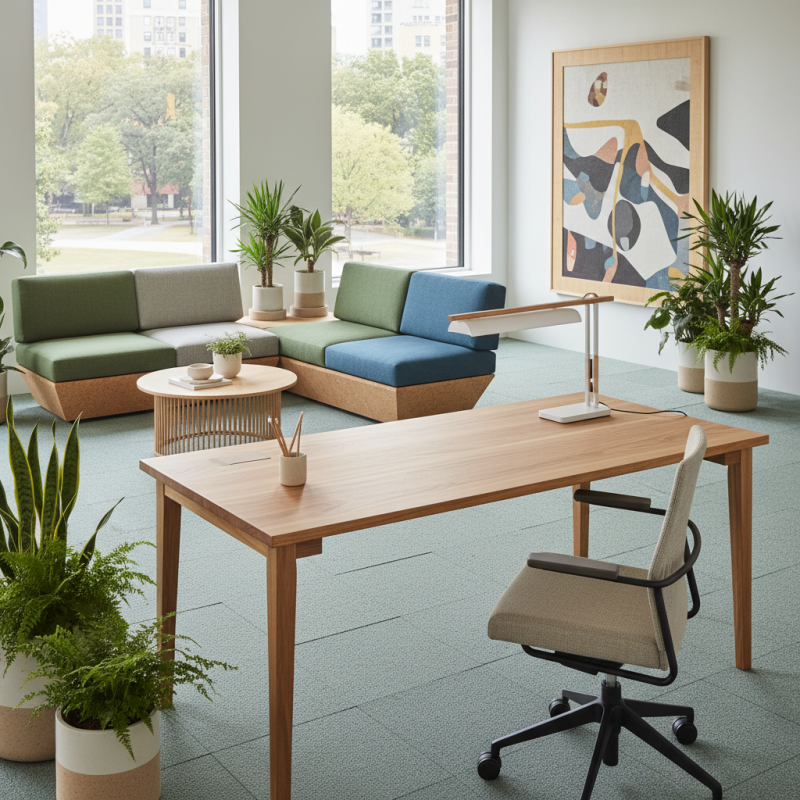
Sustainable office furniture significantly impacts environmental health. According to the U.S. Environmental Protection Agency (EPA), furniture production contributes to about 8% of the country’s total carbon footprint. By opting for sustainable materials, businesses can reduce this impact. For instance, furniture made from reclaimed wood or recycled materials decreases waste and energy consumption.
Utilizing sustainable office furniture also enhances indoor air quality. The World Green Building Council reports that poor air quality can lead to decreased productivity among employees. Many traditional furniture products emit volatile organic compounds (VOCs), which can harm health. Sustainable options often use low-VOC finishes, creating a healthier workspace.
Incorporating these sustainable choices reflects a company's commitment to environmental stewardship. However, many organizations still hesitate to invest due to perceived higher costs. A study by McKinsey found that investing in sustainability can lead to long-term savings. This revelation prompts companies to rethink their current practices. Transitioning towards green furniture can lead to a more responsible and productive workplace.
Sustainable office furniture is gaining traction in today's eco-conscious workplace. The materials used in these products play a significant role. According to a report from the Global Sustainability Forum, office furniture made from reclaimed wood reduced carbon footprints by 30%. This statistic underscores the benefits of sourcing materials responsibly.
Design is equally important. Ergonomic and adaptable designs not only enhance employee comfort but also promote longevity. Furniture with multi-functionality, such as modular desks, adapts to changing workspace layouts. A study from the American Institute of Architects found that 75% of employees prefer flexible workspaces. This highlights the need for furniture that meets modern demands while aligning with sustainability goals.
Tip: When selecting office furniture, look for certifications like Forest Stewardship Council (FSC) that signify sustainable sourcing.
Another consideration is manufacturing processes. Furniture should minimize waste and energy consumption. A report by the Environmental Protection Agency notes that sustainable production methods can cut energy consumption by up to 50%. However, not all manufacturers prioritize these practices, leading to varying quality in sustainable options.
Tip: Research brands or manufacturers dedicated to eco-friendly practices to ensure responsible purchases.
Investing in sustainable office furniture can lead to significant cost savings over time. Initially, eco-friendly options may seem more expensive than traditional choices. However, they often last longer and require less maintenance. This durability translates to reduced replacement costs, making the investment pay off in the long run.
When considering your options, think about materials. Bamboo and recycled metal are both strong and environmentally friendly. They can reduce the carbon footprint of your office significantly. Energy-efficient manufacturing processes also lower production costs. This focus on sustainability can lead to savings through energy consumption.
Tips for making the transition include evaluating your current furniture. Determine what needs replacement and what can be reused. Partnering with local suppliers can enhance your eco-efforts and stimulate the local economy. Be sure to research the lifecycle of products. Are they recyclable or biodegradable? Understanding their end of life helps in making informed decisions.
Sustainable office furniture can significantly enhance employee well-being. A study by Steelcase found that a well-designed workspace increases productivity by up to 20%. Employees with access to ergonomic and eco-friendly furniture report higher job satisfaction. These factors contribute to a more positive work environment.
Choosing sustainable materials is crucial. Bamboo, for instance, grows rapidly and absorbs more carbon than traditional wood. This shift not only benefits the planet but also improves indoor air quality. An article from the Global Sustainable Furniture Council noted that eco-friendly designs lead to a 30% decrease in indoor pollutants. Such changes positively impact employee health and focus.
The connection between furniture and mental clarity cannot be understated. Employees in green workplaces experience a 13% increase in creativity. However, some companies still overlook these aspects. As awareness grows, organizations must reconsider their furniture choices. Investing in sustainable options is no longer just an ethical decision; it’s essential for a thriving workplace.
As the corporate world evolves, so do the demands for sustainable office furniture. The future of workplace design emphasizes innovation and eco-friendliness. Organizations are increasingly seeking furniture made from recycled materials. This trend promotes a circular economy that reduces waste and conserves resources.
Biophilic design is gaining traction. Incorporating natural elements into workspaces improves air quality and employee well-being. Plants, natural lighting, and organic materials enhance the overall aesthetic. They create a more inviting atmosphere. However, many companies struggle with integrating these concepts effectively. Balancing functionality with sustainability can be a complex challenge.
Another notable trend is modular furniture. Flexibility in office layouts allows for easy reconfiguration. This adaptability supports collaborative work while also addressing individual needs. Still, some businesses hesitate to invest in these solutions, fearing the initial cost. Striking a balance between upfront expenses and long-term benefits remains a critical reflection point for decision-makers. Sustainable office furniture is not just a trend; it’s an essential aspect of modern workplace design.
: Sustainable office furniture uses eco-friendly materials and practices, such as reclaimed wood or recycled components.
Sustainable options often have low-VOC finishes, which improves air quality and increases employee productivity.
Initially, they can seem pricier, but their durability and lower maintenance needs can save money over time.
Bamboo and recycled metal are strong, eco-friendly options that significantly reduce carbon footprints.
Evaluate current furniture, replace what’s necessary, and consider reuse. Local suppliers can also enhance eco-efforts.
It integrates natural elements into workspaces, improving air quality and employee well-being with plants and organic materials.
Balancing functionality and sustainability can be tough, as some elements may clash with traditional office setups.
It allows flexibility in office layouts, supporting collaboration while addressing individual needs effectively.
There’s a growing demand for recycled materials and innovation, reflecting a shift toward sustainable workplace design.
Research whether products are recyclable or biodegradable, which aids in making informed, sustainable choices.
Exploring the latest trends in sustainable office furniture is crucial for companies aiming to enhance their environmental impact and employee well-being. In 2026, key features of sustainable office furniture will include eco-friendly materials and innovative designs that prioritize both functionality and aesthetics. Investing in this type of furniture not only demonstrates a commitment to environmental health but also offers cost-effectiveness in the long run due to durability and lower maintenance needs.
Moreover, sustainable furniture plays a significant role in boosting employee productivity and overall well-being by creating healthier work environments. As companies move towards more sustainable workplace designs, they will likely adopt practices that incorporate biophilic elements and modular furniture solutions, reflecting a broader trend in creating adaptable, eco-conscious spaces. Thus, understanding what are the latest trends in sustainable office furniture for 2026 will be essential for organizations seeking to stay ahead in a rapidly evolving landscape.

Ramsey Furniture